Pelvic pain can be uncomfortable, confusing, and sometimes frightening. Many people wonder when mild discomfort is normal and when it’s time to see a gynecologist. Understanding your body and recognizing warning signs can help you seek timely care, prevent complications, and get the right treatment.
Pelvic pain is any pain felt in the lower abdomen, near your reproductive organs. It can occur in women of all ages and might be temporary, related to menstruation, or a sign of a more serious condition. Since the pelvis houses organs such as the uterus, ovaries, bladder, and intestines, pain can come from many different sources. This makes knowing when to consult a gynecologist crucial.
Common Causes of Pelvic Pain
Pelvic pain can stem from various conditions. Some are minor and temporary, while others require medical attention. Common causes include:
- Menstrual Cramps (Dysmenorrhea) – Many women experience mild to moderate cramps during periods. These often improve with rest, heat therapy, or over-the-counter pain relievers.
- Ovulation Pain (Mittelschmerz) – Some people feel a brief twinge in the middle of their cycle. This usually occurs for a day or two and is considered normal.
- Urinary Tract Infections (UTIs) – Pain, burning, or pressure in the pelvic area can indicate a UTI. Left untreated, infections can spread to the kidneys.
- Ovarian Cysts – Fluid-filled sacs on the ovaries may cause sharp or dull pain. Some cysts resolve on their own, but large or ruptured cysts need medical attention.
- Endometriosis – A chronic condition where tissue similar to the uterus lining grows outside the uterus, causing severe pain, especially during periods.
- Pelvic Inflammatory Disease (PID) – An infection of the reproductive organs often caused by sexually transmitted infections (STIs). Early treatment is essential to prevent complications.
- Fibroids – Noncancerous growths in the uterus that may lead to heavy bleeding or pressure in the pelvic area.
While some causes are minor, others require prompt evaluation. If pain interferes with daily life or is accompanied by other symptoms, it’s best to consult a gynecologist.
When Pelvic Pain Requires Medical Attention
Some pelvic pain is normal, but certain signs indicate that you should see a gynecologist promptly:
- Severe or Persistent Pain – If the pain is intense, lasts more than a few days, or keeps returning, it’s time to get checked.
- Pain During Intercourse – Persistent pain during or after sex may indicate endometriosis, infections, or other reproductive issues.
- Abnormal Bleeding – Spotting between periods, very heavy periods, or bleeding after menopause should never be ignored.
- Fever or Nausea – These could signal an infection or ruptured cyst.
- Changes in Urination or Bowel Movements – Painful urination, blood in urine, constipation, or diarrhea alongside pelvic pain may suggest an underlying condition.
- Sudden, Sharp Pain – If pain is sudden, stabbing, or accompanied by dizziness or fainting, seek urgent care immediately—it may indicate a ruptured cyst or ectopic pregnancy.
Even if symptoms are mild but persistent, it’s better to consult a gynecologist than to wait and risk complications. Early diagnosis often leads to better outcomes and more treatment options.
How a Gynecologist Evaluates Pelvic Pain
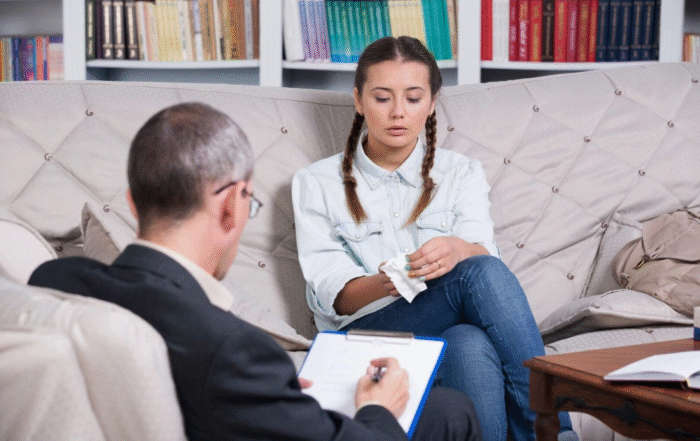
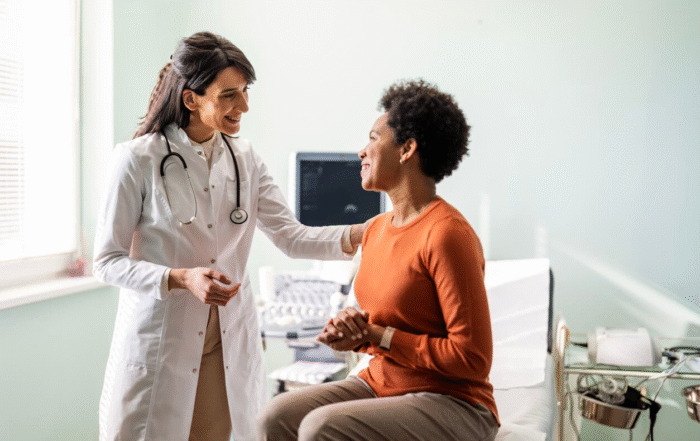
When you visit a gynecologist for pelvic pain, they will conduct a thorough evaluation to determine the cause. This usually includes:
- Medical History – Questions about your periods, sexual activity, previous surgeries, and overall health.
- Physical Exam – A pelvic exam helps assess the uterus, ovaries, and other pelvic organs.
- Lab Tests – Blood or urine tests may detect infections, hormonal imbalances, or other abnormalities.
- Imaging – Ultrasounds, CT scans, or MRIs can identify cysts, fibroids, or other structural issues.
- Additional Tests – Sometimes, laparoscopy or hysteroscopy is needed to evaluate deeper conditions like endometriosis or adhesions.
A gynecologist tailors treatment to your diagnosis. Some conditions require medication, while others might need minimally invasive surgery or lifestyle adjustments.
Tips for Managing Mild Pelvic Pain at Home
Not all pelvic pain requires immediate medical intervention. For mild discomfort, you can try:
- Over-the-counter pain relief – Medications like ibuprofen can reduce cramps and inflammation.
- Heat therapy – Heating pads or warm baths relax muscles and ease cramps.
- Diet and hydration – Reducing caffeine, salty foods, and staying hydrated may improve symptoms.
- Exercise – Gentle exercise like walking or yoga can relieve tension and promote blood flow.
- Tracking your cycle – Keeping a diary of symptoms can help your gynecologist identify patterns or triggers.
However, if these measures don’t help or pain worsens, consult your gynecologist promptly.
Preventive Measures for Pelvic Health
Regular gynecological checkups can prevent many causes of pelvic pain from becoming serious. Preventive strategies include:
- Annual gynecological exams – Pap smears, pelvic exams, and STI screenings.
- Safe sexual practices – Condoms and regular STI testing reduce infection risks.
- Healthy lifestyle – Balanced diet, exercise, and stress management support reproductive health.
- Prompt treatment of infections – UTIs or vaginal infections should be treated immediately.
5 Frequently Asked Questions (FAQs)
1. How do I know if pelvic pain is serious?
Pain that is severe, persistent, or accompanied by fever, abnormal bleeding, or dizziness should be evaluated immediately by a gynecologist.
2. Can stress cause pelvic pain?
Yes. Stress can lead to muscle tension, digestive issues, or worsen menstrual cramps, but persistent pelvic pain should always be checked to rule out medical conditions.
3. Is pelvic pain during periods normal?
Mild cramps are normal, but severe pain that interferes with daily life may indicate endometriosis, fibroids, or other gynecological conditions.
4. How often should I see a gynecologist?
Most women benefit from an annual checkup, but you should visit sooner if you experience pelvic pain, abnormal bleeding, or changes in reproductive health.
5. Can diet or lifestyle changes help with pelvic pain?
Yes. Regular exercise, a balanced diet, staying hydrated, and reducing stress can help manage mild pain. However, medical conditions may still require professional treatment.
Final Thoughts
Pelvic pain is common, but it shouldn’t be ignored. Recognizing when to see a gynecologist can prevent complications, ensure proper diagnosis, and improve quality of life. Mild pain may be managed at home, but persistent, severe, or unusual pain always warrants professional evaluation. Listening to your body and seeking help when necessary is the first step toward better pelvic health.